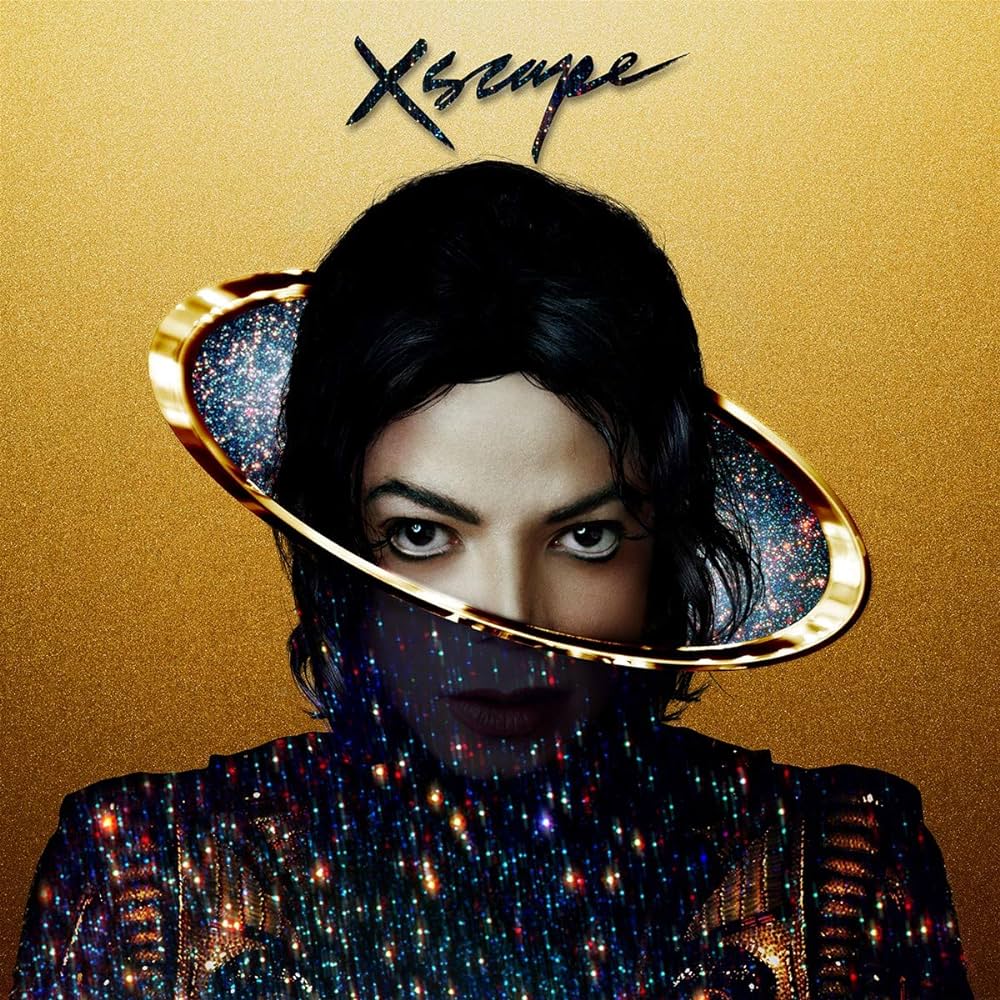
Today would have been Michael Jackson’s 66th birthday! I haven’t been able to really celebrate his life and work this summer as I usually do (I lovingly dub the summer ‘Michael Season’) but I couldn’t let the entire season pass without any MJ content!!
In honor of this holiday I want to post my first “Michael Jackson Studies” entry by sharing an excerpt from my Master’s thesis that focused on Jackson’s trip to Cote d’Ivoire in 1992. It’s been a treat going back in time and reading what I wrote and I’m excited to revisit more of my previous work and add to it.
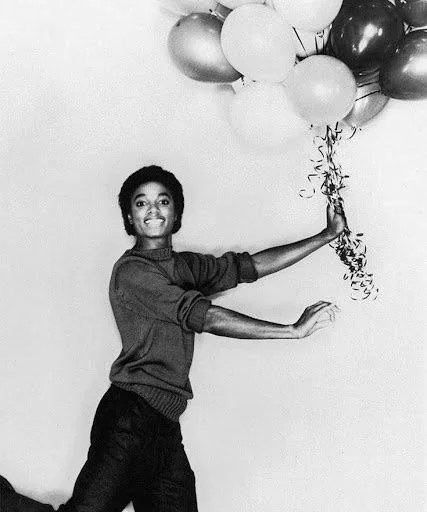
Anyway, the excerpt below (updated and edited for clarity) is from my concluding chapter where I try to think more deeply into the notion of Jackson’s desire to transcend and metamorphose through his music and art since he could never do that in his everyday life. His song “Xscape” (as well as his Ghosts short film not included in this excerpt) offered an excellent entry point:
“After Jackson’s death in 2009, Sony released a deluxe posthumous album entitled Xscape that contained two sets of the same song: one remixed by producers like Timbaland and Darkchild and one featuring the raw, original demo. [I]t proves more fruitful to use Jackson’s original tracks as opposed to the reimagined versions created by producers and executives who inevitably imbue their own desires and tastes into the songs without Jackson’s input or directives.
Both the original and remixed version of “Xscape” contain the same lyrics, but the instrumentation, production quality, and arrangement of the original version offers a completely different understanding of Jackson’s lyrics than the remixed one. Opening with the sound of a prison guard making the rounds to check on a prisoner in cell 6, the listener is sonically placed in the prison and within earshot of the corrections officer. Quickly, the officer shouts, “he’s gone!” cuing the loud burst of sirens that are eventually built into the instrumentation. The music for this track is heavily industrialized using sounds like sirens, slamming doors and speeding cars in addition to the usual drums and strings. Listening through headphones offers the best experience as you feel immediately enclosed and imprisoned, which artfully places you in the very prison Jackson appears to be escaping from. Michael uses his rock vocals on the track, ditching the sweet falsetto apparent on many of his other hits and instead opts for a gravelly, hushed tone in each verse.
He begins the song by speaking of his persecution at the hands of “the system” urging “everywhere I turn, no matter where I look/ the system’s in control, it’s all ran by the book/ I’ve got to get away so I can clear my mind/ Escape is what I need, away from electric eyes.” During the last line of the verse, several harmonic layers back Jackson’s lead vocals, giving it a more conceptually pop feel which differs from the rather harsh sound of the rest of the track’s verses. The pre-chorus finds Jackson singing in a slightly higher octave, with his words more exaggerated and less hushed than before though he maintains the gravel-inflected delivery connecting him to the previous conspiratorial tone. He sings, “No matter where I am, I see my face around/ They then lie on my name, and put them town to town/ Don’t have a place to run, but there’s no need to hide/ I’ve got to, find a place, but I won’t hide away.” Again, the last line is filled in with Jackson’s harmonies before it melts into the chorus where the harmonies are backed by the sound of actual string instruments softening the hard and digitized beats that carry from the beginning’s prison experience.
The strings of the chorus provide the first instance of a release; filling in the mechanical downbeats and matching the lushness of his harmonies, it is through the words of “escape” that we finally feel free. Jackson incorporates a much clearer and pristine vocal performance on the chorus, singing “Escape, Got to get away from the systems, rules of the world today/ Escape, the pressure that I face from relationships, got to go away/ Escape, the man with the pen that writes the lies that hassle the man/ Escape, I do what I wanna, cause I got to be nobody but me/ Escape.” Here, Jackson has to get away from the larger world, the more intimate relationships, and the individuals who write against him. Jackson, then, is not safe and can only find solace completely outside of it all; there is no one or no thing that can bring him the peace that exists within and by himself. The second verse and pre-chorus borrows the same musical and vocal arrangements of the first but changes its focus to an intimate relationship with an ex lover. Moving from the macro to the micro, Jackson finds that even in his love life he has to escape from pressures and confinement.
The song’s bridge offers the most expansive set of harmonies, with Jackson using multiple versions of his voice in conjunction with the voices of others who sing “When I go, this problem world won’t bother me no more.” The bridge is elongated by the use of repetition and echo that happens at the half point of each line. The lush strings are amplified and accompanied by a light piano, with keys that sound strikingly similar to the beginning keys of Jackson’s public plea for global harmony “Heal the World.” Jackson’s adlibs are the only thing that truly connects the bridge to the rest of the verses, for it is that pronounced voice that maintains the hard, rough, and strained vocal quality of the song. The phrases and guttural sounds are shouted and stretched but when interjected in between the softer music and soft harmonies, it produces a mixed feeling of agony and release. However, the strings and piano are quickly removed from the instrumental break that directly follows the bridge, replaced with the digitized sounds, slamming doors and zooming cars.
The chorus is repeated three times after the break and features the string instrumentation, the harmonies, Jackson’s frustrated adlibs, and the digital sounds bringing all the aspects of the song crashing into its last minute. Jackson’s breathing replaces his singing as other voices repeat, “I gotta escape” in different registers and speeds. Jackson taunts, “if you want me, you gotta come and get me” before breaking into his distinctive “hee-hees” and shouts. Jackson delivers the last words “do what I wanna!” in a similar way to that of his younger self on the Jackson 5 hit “ABC” where preteen Michael lightheartedly yells to a girl “sit down girl, I think I love ya! Nah, get up girl! Show me what you can do!” The childlike phrasing of “do what I wanna” on “Xscape” matched with the nostalgic inflection of the famous shout on “ABC” links his escapism back to being childlike. In that quick adlib, Jackson reveals his yearning for a childhood in order to buck the system and escape its prison.
The chorus illuminates a duality, on the one hand Jackson’s problems are very adult like but on the other they are childlike. The desire to get away from the system or of not following the rules appears to be an adolescent request until placed within the pressures of a relationship and being harassed by the media. “Xscape” is an indictment against every aspect of his life that confines him, he feels as persecuted by a news reporter as he does an ex lover. There is no difference, in Jackson’s point of view, in who inflicts the pain, because in his world the private and public are always merged, creating the fanta-reality of Jackson’s life.”
Listen to the track below and let me know which other MJ songs you would like an in-depth break down of!





 HeyMercedesJax
Leave a comment